
What Is Cryptocurrency? A Beginner-Friendly Guide
Meet Sarah, and Her First Encounter With Digital Money
Sarah was sitting in a coffee shop when she overheard two strangers talking about something called "crypto." One said he'd bought a coin for a few dollars years ago, and now it was worth a small fortune. Sarah felt that familiar mix of curiosity and confusion. What exactly is cryptocurrency? Is it real money? Can she touch it? Is it safe? If you've ever felt like Sarah, this guide is for you.
So, What Is Cryptocurrency, Really?
At its core, cryptocurrency is a type of digital money that exists only on the internet — you can't hold a physical coin in your hand the way you would with cash. Instead, it lives as data, and it's built specifically so you can send it, receive it, and store it digitally, without needing a bank to approve the transaction. (source)
What makes it different from the numbers you see in your online banking app is cryptography. Cryptocurrency uses complex mathematical codes to secure every transaction, making it extremely difficult for anyone to counterfeit or manipulate. (source) Think of cryptography as an invisible lock and key system — every time money moves from one digital wallet to another, that lock-and-key process verifies it's legitimate.
Why Doesn't Cryptocurrency Need a Bank?
This is usually the part that surprises beginners the most. Traditional money — dollars, euros, rupees — is controlled by central banks and governments. They decide how much to print, they oversee transactions, and they can freeze accounts if needed.
Cryptocurrency flips that model. Instead of one central authority, it runs on a decentralized network of computers spread across the globe. Every transaction gets recorded on a public ledger (known as a blockchain), and thousands of computers verify it simultaneously. No single person, company, or government controls it entirely.
For someone like Sarah, this means that in theory, she could send cryptocurrency to a friend in another country in minutes, without a bank taking days to process it or charging heavy international fees.
A Quick Story: How Bitcoin Started It All
Imagine it's 2008. The world is in the middle of a massive financial crisis. Banks are collapsing, people are losing trust in financial institutions, and someone (or a group of people) using the pseudonym "Satoshi Nakamoto" releases a whitepaper describing a new kind of currency — one that doesn't need banks at all. That currency became Bitcoin, the very first cryptocurrency, launched in 2009.
Since then, thousands of other cryptocurrencies have been created — Ethereum, Litecoin, Dogecoin, and many more — each with different features, but all sharing that same foundational idea: digital money secured by cryptography, free from centralized control.
How Does Someone Actually Use Cryptocurrency?
Let's go back to Sarah. Suppose she decides to try it out. Here's roughly what her journey would look like:
- Getting a digital wallet – This is like a secure app or device that stores her cryptocurrency and the private keys needed to access it.
- Buying cryptocurrency – She'd typically use a cryptocurrency exchange, depositing regular money and converting it into a coin like Bitcoin or Ethereum.
- Storing it safely – She could keep it on the exchange, or move it to a more secure "cold wallet" (offline storage) for extra protection.
- Sending or spending it – She can transfer it to others, use it for purchases where accepted, or simply hold onto it as an investment.
Each of these steps might sound simple, but the reality involves real risks, which brings us to something every beginner absolutely needs to understand.
The Other Side of the Coin: Risks and Scams
It's tempting to only focus on the exciting parts of cryptocurrency — fast transactions, financial independence, and stories of people striking it rich. But just like any financial system, cryptocurrency comes with real dangers.
Because cryptocurrency transactions are often irreversible and not backed by a central authority, scammers have found creative ways to exploit unsuspecting beginners. This includes fake investment schemes, phishing attacks, and fraudulent exchanges. It's essential to research thoroughly, use reputable platforms, and never share private keys with anyone. (source)
Cryptocurrency prices can also swing dramatically within hours. A coin worth $100 today could be worth $60 tomorrow — or $200. This volatility is part of what makes cryptocurrency exciting to some and terrifying to others.
Why Should Beginners Even Care?
You might be wondering — if it's risky, why does everyone keep talking about it? Here's the honest answer: cryptocurrency represents a shift in how people think about money, ownership, and financial systems. Whether or not you personally decide to buy any, understanding the basics helps you:
- Make informed decisions if you ever consider investing
- Understand news stories about digital finance
- Recognize potential scams before falling victim to them
- Participate in conversations that are increasingly shaping our economic future
Bringing It Back to Sarah
By the end of her research, Sarah didn't rush out to buy cryptocurrency. Instead, she did what any smart beginner should do — she learned the fundamentals first. She understood that cryptocurrency is essentially digital money, secured through cryptography, and not tied to any single government or bank. She learned about the risks, the potential rewards, and most importantly, that she needed to keep educating herself before making any financial decisions.
Explore More Beginner Guides
- Stock Market Explained in Simple Words – Learn how traditional markets work.
- What Is Investing? A Simple Beginner’s Story
Final Thoughts
Cryptocurrency isn't just a passing trend — it's a technology that's reshaping how people think about money worldwide. Like Sarah, your first step shouldn't be jumping in headfirst. It should be understanding the "what" and "why" before ever considering the "how much."
Whether cryptocurrency becomes a bigger part of your financial life or simply remains something you understand from the sidelines, having this foundational knowledge puts you in a stronger, safer position — just like it did for Sarah.
Market Data & Analysis
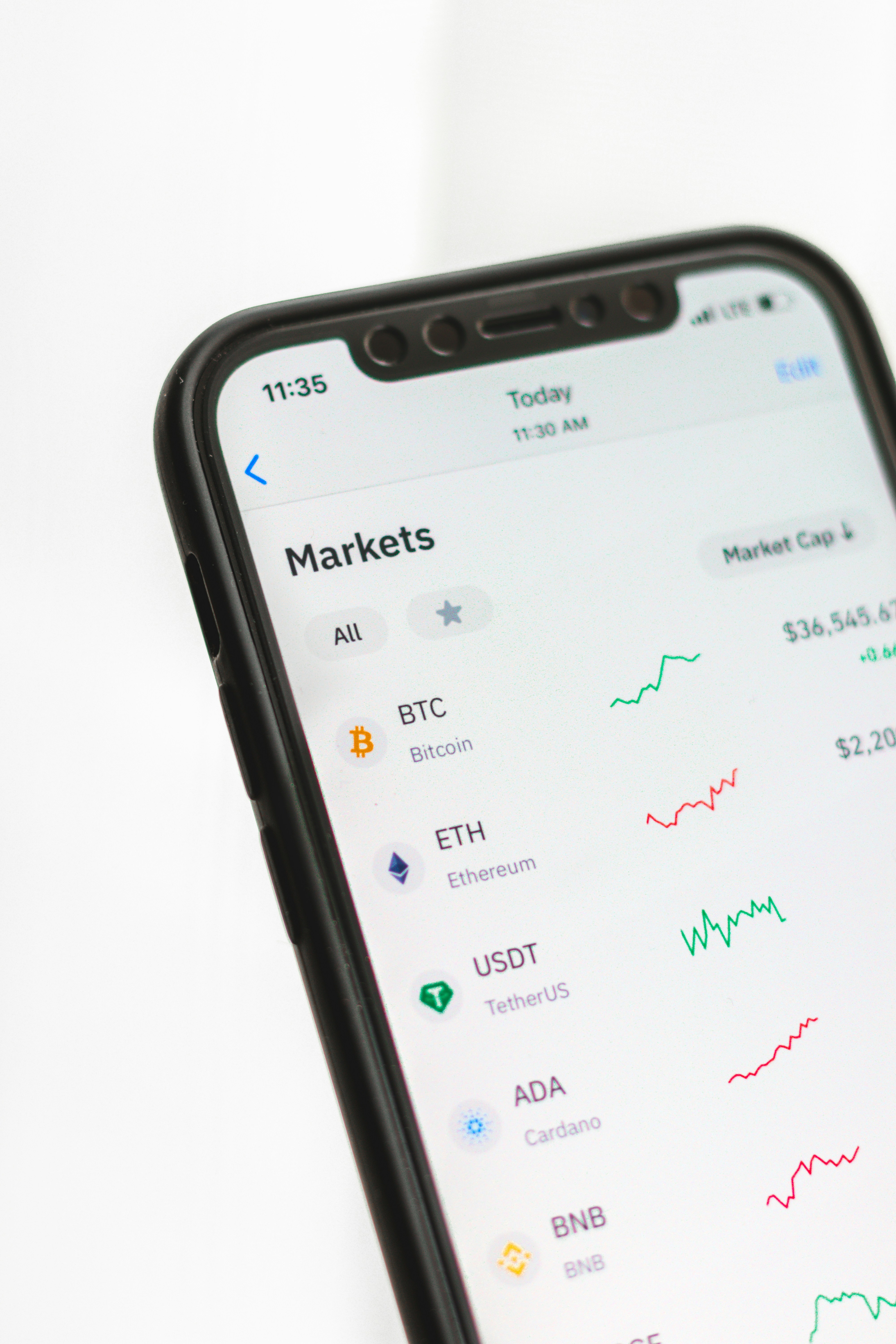
Keeping an eye on the crypto market doesn't have to be complicated. Platforms like CoinMarketCap and CoinGecko let you track live prices, market capitalization, and historical charts for thousands of coins — from Bitcoin down to the smallest altcoins. (source) As of today, the total global cryptocurrency market cap sits at roughly $2.24 trillion, with CoinGecko alone tracking over 17,500 different coins across various exchanges. (source)
Trading & Exchanges
Once you understand the market, the next step is actually buying, selling, or storing digital assets. This is typically done through cryptocurrency exchanges — platforms that act as a bridge between traditional currency and crypto. Well-known exchanges like Binance, Coinbase, and Crypto.com allow users to securely trade a wide variety of coins, manage digital wallets, and monitor their portfolios, all while offering different levels of security and fees depending on the platform you choose. TradingView is another solid option, offering price charts, breaking news, and community trading ideas all in one place.source
News & Insights
The crypto space moves fast, so staying informed is essential. Following trusted sources for breaking industry news, Web3 developments, and technical market analysis — such as CoinDesk or Koinly — helps you separate real trends from hype, and make more informed decisions whether you're a casual observer or an active trader.
Disclaimer: This article is for educational purposes only and does not constitute financial advice. Always do your own research or consult a financial professional before making investment decisions.